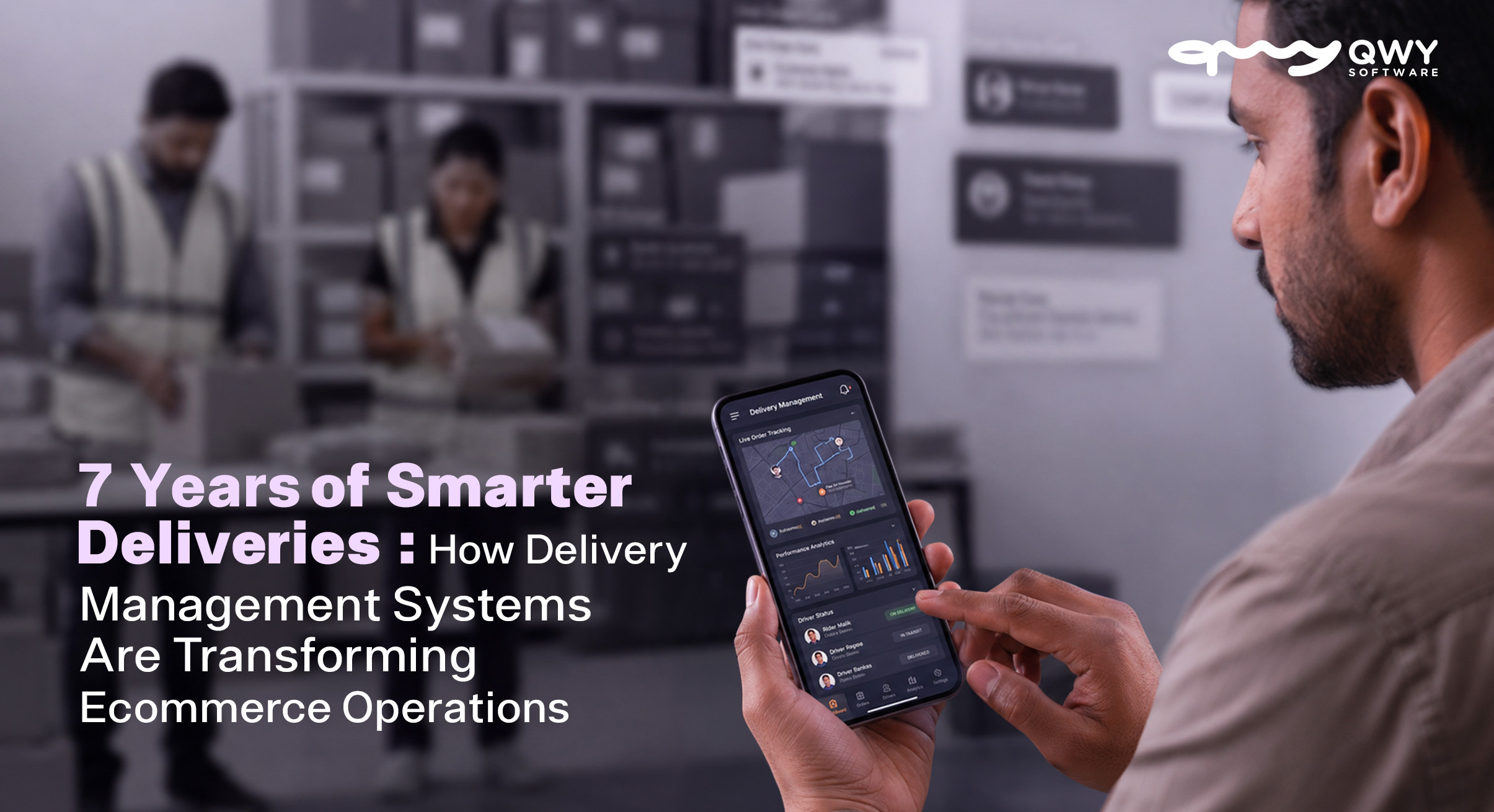
Over the last seven years, ecommerce has evolved at an incredible pace. What was once considered a convenient alternative to shopping has now become the preferred way for millions of customers to buy everything from groceries and fashion to electronics and medicines.
Along with this growth, customer expectations have changed dramatically. Today’s shoppers want their orders delivered faster, they expect real-time updates throughout the delivery journey and they demand a smooth, hassle-free experience from checkout to doorstep.
For ecommerce businesses, this shift has created a new challenge. Managing deliveries manually may have worked when order volumes were low, but as businesses grow, spreadsheets, phone calls and manual coordination quickly become bottlenecks.
As we celebrate 7 years of delivering efficiency, it is worth reflecting on how technology has transformed delivery operations. At the center of this transformation is the Delivery Management System (DMS), a powerful solution helping ecommerce businesses streamline logistics, improve customer experiences and scale with confidence.
1. The Evolution of Ecommerce Deliveries Over the Last 7 Years
A few years ago, customers were generally satisfied if their package arrived within a week. Today, the expectations are entirely different. The ecommerce industry has shifted from simply moving products from one location to another to creating memorable delivery experiences. Customers want convenience, transparency and speed. Several major trends have shaped this evolution:- Same-day and next-day delivery services
- Hyperlocal delivery models
- Multi-location fulfillment centers
- Real-time order tracking
- Automated delivery notifications
2. What Is a Delivery Management System?
A Delivery Management System (DMS) is a software platform designed to manage, monitor and optimize the entire delivery process. Instead of relying on manual coordination, businesses can automate delivery operations through a centralized system that handles everything from order assignment to delivery tracking. A modern DMS typically helps businesses with:- Order allocation
- Route optimization
- Delivery tracking
- Driver management
- Customer notifications
- Performance analytics and reporting
3. Common Delivery Challenges Ecommerce Businesses Face
As ecommerce businesses grow, delivery management becomes increasingly complex. Many companies experience common operational challenges such as:- Delayed deliveries
- Failed delivery attempts
- Poor communication between warehouse and delivery teams
- Manual order assignments
- Lack of real-time tracking
- Confusion among delivery partners
- Rising operational costs
- Customer complaints caused by limited visibility
4. How Delivery Management Systems Improve Ecommerce Operations
A. Faster Order Processing
Speed matters in ecommerce. A Delivery Management System automatically assigns orders based on predefined rules, delivery zones, driver availability and order priority. This eliminates manual intervention and significantly reduces processing time. Benefits include:- Faster dispatching
- Reduced human errors
- Improved order allocation
- Increased operational efficiency
B. Real-Time Delivery Visibility
One of the biggest frustrations for customers is uncertainty. A Delivery Management System provides live delivery tracking, allowing both customers and businesses to monitor order status in real time. Features typically include:- Live location tracking
- Delivery status updates
- Estimated delivery times
- Instant notifications
C. Better Route Optimization
Route planning plays a major role in delivery efficiency. Advanced Delivery Management Systems automatically identify the most efficient routes based on traffic conditions, delivery locations and vehicle capacity. The benefits are substantial:- Lower fuel consumption
- Reduced travel time
- Faster deliveries
- More deliveries completed per rider
D. Improved Customer Experience
Customer satisfaction is directly connected to delivery performance. When customers receive timely updates and accurate delivery information, they feel more confident about their purchases. Benefits include:- Better communication
- Increased trust
- Fewer customer complaints
- Higher repeat purchase rates
E. Centralized Operations Management
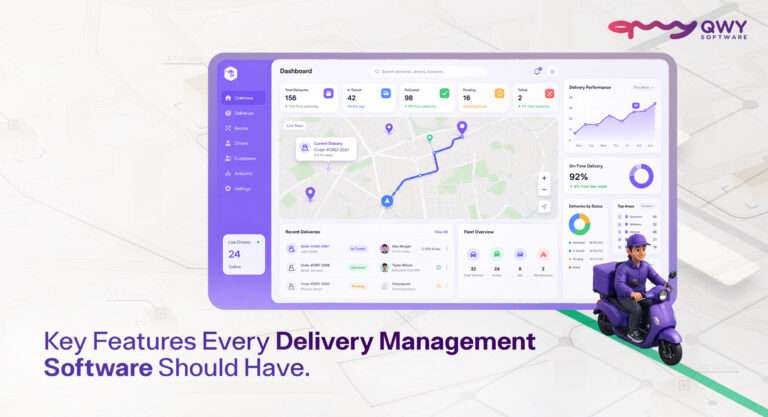
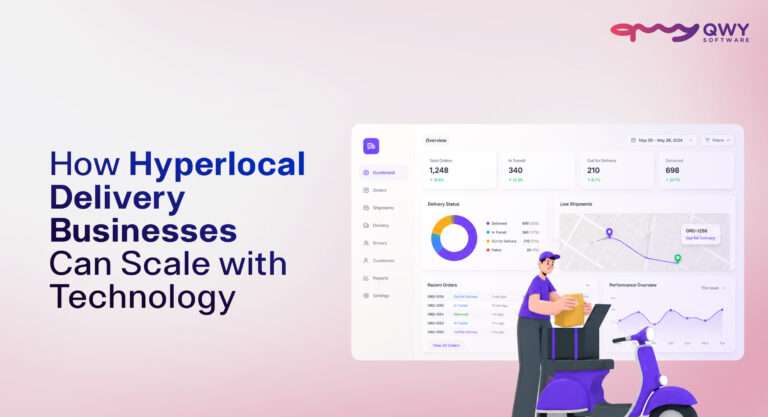
Managing deliveries across multiple locations can be challenging without proper visibility. A Delivery Management System brings everything together into a single dashboard where businesses can monitor:- Orders
- Drivers
- Deliveries
- Reports
- Performance metrics
5. Key Features Businesses Should Look for in a Delivery Management System
Not all delivery management solutions are created equal. When evaluating a system, businesses should prioritize features that support both current needs and future growth. Important features include:- Live Tracking : Real-time visibility for customers and operations teams.
- Automated Notifications : Instant updates through SMS, email, or mobile applications.
- Mobile App for Delivery Agents : Enables drivers to receive assignments, update statuses and capture delivery confirmations.
- Route Optimization : Helps reduce delivery times and transportation costs.
- Delivery Analytics : Provides actionable insights into delivery performance.
- COD Management : Supports cash-on-delivery workflows efficiently.
- Multi-Store Support : Essential for businesses operating across multiple locations.
- Integration with Ecommerce Platforms : Ensures seamless order synchronization.
- Proof of Delivery : Captures signatures, photos, or digital confirmations.
- Role-Based Access Controls : Improves security and operational governance.
6. The Role of Automation in Smarter Deliveries
Automation has become one of the biggest drivers of logistics innovation. Modern Delivery Management Systems use automation to reduce repetitive tasks and improve operational efficiency. Some examples include:- AI-powered route planning
- Automated delivery scheduling
- Smart customer notifications
- Predictive delivery insights
- Automated exception handling
7. Industry Use Cases: Who Benefits the Most?
Delivery Management Systems provide value across a wide range of industries.- Grocery Delivery : Fresh products require quick and accurate deliveries, making route optimization essential.
- Fashion & Apparel : Customers expect fast shipping and reliable tracking for online purchases.
- Electronics : High-value products require secure handling and delivery transparency.
- Hyperlocal Commerce : Businesses need rapid deliveries within limited geographic areas.
- Pharmacy Delivery : Time-sensitive deliveries demand precision and visibility.
- B2B Distribution : Large-volume deliveries require efficient scheduling and tracking.
- Food & Beverage : Speed and reliability directly impact customer satisfaction.
8. Business Impact: Beyond Just Deliveries
The benefits of a Delivery Management System extend far beyond logistics. When delivery operations become more efficient, businesses experience improvements across multiple areas. Key benefits include:- Increased operational efficiency
- Reduced delivery costs
- Improved customer retention
- Stronger brand reputation
- Better decision-making through analytics
- Enhanced workforce productivity
9. Why Delivery Management Is Becoming a Competitive Advantage
In today’s ecommerce landscape, products can often be copied and pricing can be matched. Customer experience, however, remains a powerful differentiator. Fast, reliable and transparent delivery experiences help businesses stand out in crowded markets. Customers are increasingly choosing brands that offer:- Faster delivery options
- Accurate delivery updates
- Convenient delivery experiences
- Reliable order fulfillment